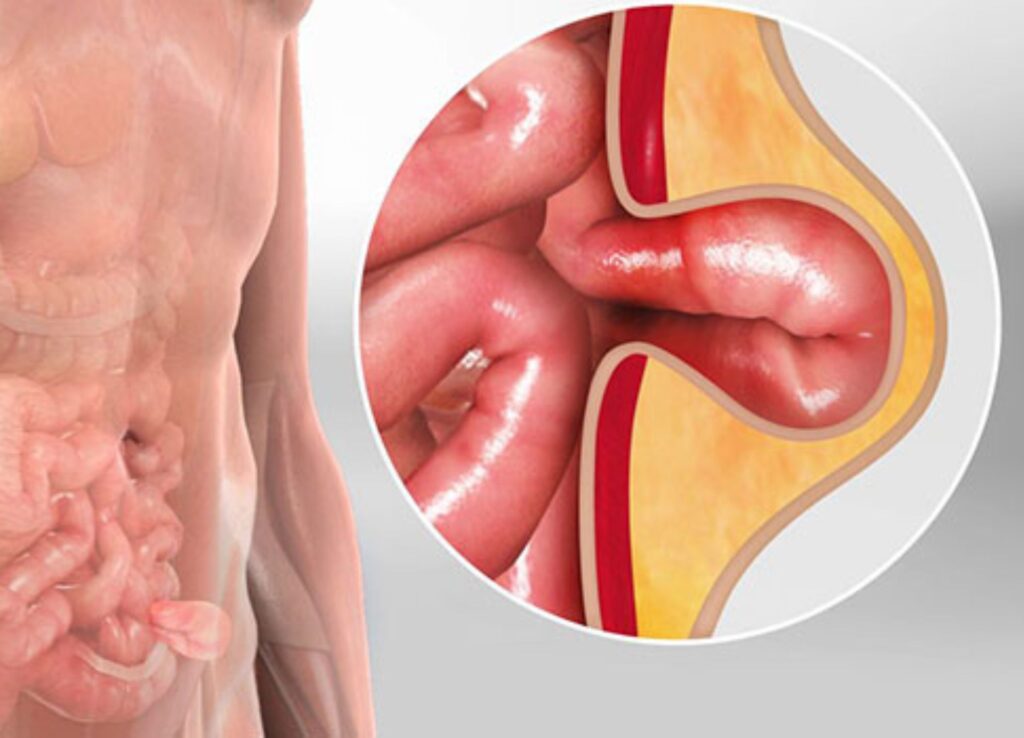
What is Laparoscopic Hernia Surgery?
Laparoscopic hernia surgery is a minimally invasive procedure designed to repair hernias with small incisions, reduced pain, and faster recovery. Patients seeking expert care often consult an experienced gastro doctor in Vadodara, ensuring precise evaluation and safe surgical outcomes.
Using a laparoscope (a thin, flexible camera) and specialized surgical instruments, laparoscopic hernia surgery ensures greater precision, minimal scarring, and a faster return to normal activities. It is an excellent option for patients suffering from inguinal, umbilical, ventral, incisional, or hiatal hernias.
Why Choose Laparoscopic Hernia Surgery?
Laparoscopic hernia repair has transformed the way hernias are treated by offering several significant advantages over traditional open surgery:
✔ Small Incisions, Minimal Scarring – Only 2-3 small keyhole incisions instead of a large cut.
✔ Less Pain & Discomfort – Faster recovery with reduced need for pain medications.
✔ Shorter Hospital Stay – Many patients go home the same day or within 24 hours.
✔ Faster Recovery & Return to Work – Most people resume normal activities within 1-2 weeks.
✔ Lower Risk of Recurrence – Advanced mesh placement techniques strengthen the repair.
✔ Minimal Blood Loss & Infection Risk – A safer approach with fewer complications.
With these benefits, laparoscopic hernia surgery is an ideal option for patients looking for a quicker, less painful, and highly effective treatment.
Types of Hernias Treated with Laparoscopic Surgery
Laparoscopic surgery is highly effective in treating various types of hernias, including:
1. Inguinal Hernia (Groin Hernia)
Occurs in the lower abdomen or groin area and is more common in men. Laparoscopic surgery offers an excellent repair method with reduced post-surgical pain.
2. Umbilical Hernia
Develops near the belly button when part of the intestine pushes through a weak spot in the abdominal wall. Laparoscopic repair prevents complications like strangulation.
3. Ventral & Incisional Hernia
Forms in the abdominal wall, often due to previous surgeries. Laparoscopic techniques reinforce the weak area with a mesh, ensuring long-term success.
4. Hiatal Hernia (Stomach Hernia)
Occurs when part of the stomach pushes through the diaphragm into the chest. Laparoscopic is a common procedure for hiatal hernia repair, offering long-term relief from acid reflux.
5. Complex Hernia
Complex hernia surgery is a specialized procedure performed to repair hernias that are large, recurrent, or involve complications like infection, previous failed repairs, or multiple hernias in one area. These surgeries often require advanced techniques such as mesh reinforcement, component separation, or even robotic or laparoscopic surgery for better precision and recovery.
Recovery After Laparoscopic Hernia Surgery
Most patients recover faster with laparoscopic hernia surgery than with open surgery. The typical recovery process includes:
Hospital Stay & Immediate Post-Op Care
- Same-day or 24-hour discharge for most patients.
- Mild soreness for a few days, manageable with pain relief.
- Walking is encouraged within hours after surgery to prevent complications.
At-Home Recovery
- Return to light activities in 3-5 days; avoid strenuous activities for 4-6 weeks.
- Normal diet can be resumed within a day or two.
- Follow-up checkups ensure proper healing and no recurrence.
Most patients return to work within 1-2 weeks, depending on their job requirements.
Is Laparoscopic Hernia Surgery Right for You?
Dr. Ankur is a highly trained laparoscopic and gastrointestinal surgeon committed to providing comprehensive care. As a trusted gastro doctor in Vadodara, he guides patients throughout the hernia repair process, from initial consultation to post-surgery recovery.
